
cropper
update

Successful IM Blog

update
  • Homepage
  • Subscribe
  • Contact Us
  • Featured Experts
  • All Posts
  • Reputation
  • Social Media
  • Traffic
  • Funnel And Automation
  • Featured Experts
June 13.2025
1 Minute Read

Engagement Boosting Techniques You Can’t Afford to Miss

Did you know? Brands utilizing advanced engagement boosting techniques experience up to 300% higher audience retention than those who stick to the basics. If you’re looking not just for likes but for actual audience action and brand loyalty, you’re in the right place. Dive in to discover practical, cutting-edge strategies that will reshape your social media presence and drive genuine customer engagement .

Startling Insights on Engagement Boosting Techniques in Social Media

  • According to recent research, brands using advanced engagement boosting techniques see up to 300% higher audience retention compared to those who don’t.
  • In this guide, discover strategies not just for likes but for real audience action and brand loyalty.

social media dashboard marketers analyzing engagement boosting techniques, audience engagement data, modern office

What You’ll Learn About Engagement Boosting Techniques

  • A comprehensive understanding of social media engagement , customer engagement , and audience engagement
  • Top engagement boosting techniques to implement instantly
  • How to use content formats , video content , and interactive content to boost engagement effectively
  • Key engagement strategies for Instagram engagement , Facebook, LinkedIn, and beyond
  • Expert insights on measuring, analyzing, and sustaining audience engagement

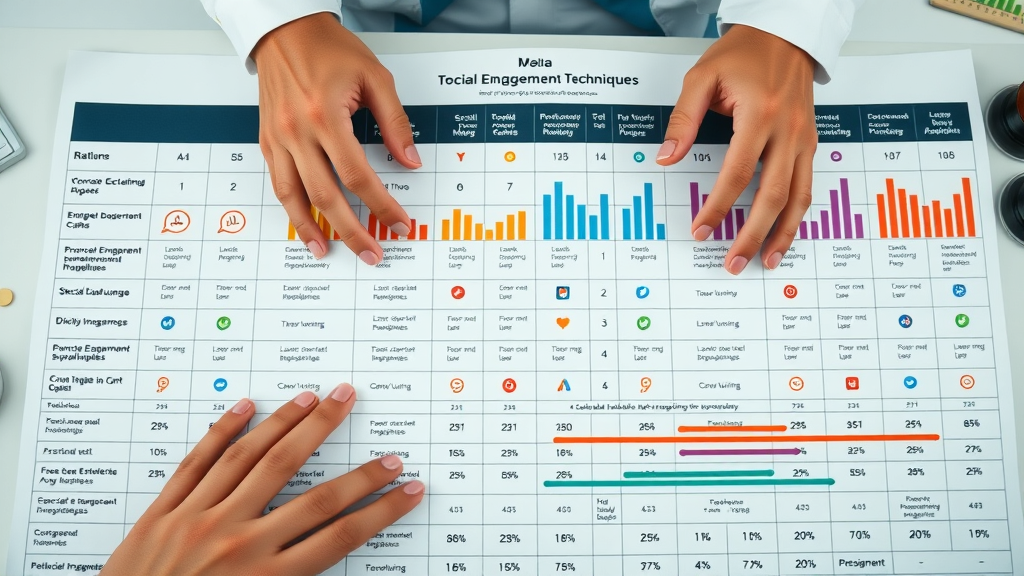
Table of the Top Engagement Boosting Techniques By Type and Channel

Technique Type of Engagement Best Channel Estimated Engagement Rate Increase (%)
Instagram Stories Polls Direct/Interactive Instagram 25-40
User-Generated Content Campaign Social/Emotional Instagram, Facebook 20-45
Live Q&As Direct Facebook, YouTube 15-30
Short-Form Videos Visual/Emotional TikTok, Instagram, YouTube 30-60
Gamified Leaderboards Transactional/Interactive All Platforms 25-50
Ephemeral Content (Stories) Indirect/FOMO Instagram, Facebook, Snapchat 20-35
Drip Campaigns Transactional/Indirect Email, LinkedIn 10-20
Personalized Recommendations Direct/Transactional Web, Email 15-40

infographic with top engagement boosting techniques, direct and indirect, for different social media platforms

1. Engagement Boosting Techniques to Elevate Social Media Presence

To thrive in the digital landscape, brands must deploy engagement boosting techniques that captivate and sustain interest on every social media platform . High engagement rates are rarely accidental—they’re built on intentional strategies that encourage meaningful interactions. Whether your goal is to foster deeper connections or prompt followers to make a purchase , focusing on the right engagement strategy is key. Below, we explore two of the most impactful methods: interactive content and visual storytelling with video content.

Interactive content transforms passive scrollers into active participants, inspiring a stronger relationship with your brand. Meanwhile, visual storytelling leverages the power of video to create experiences that linger in your audience’s memory. Let’s break down how each can elevate your social media presence and boost your overall audience engagement .

Leveraging Interactive Content for Social Media Engagement

  • Polls, quizzes, and question stickers on Instagram and Facebook
  • User-generated content campaigns that inspire audience participation
  • Live Q&As to connect in real time

With shrinking attention spans and fierce competition on each media platform , interactive content stands out for its capacity to actively involve followers. Polls and quizzes on Instagram and Facebook make engagement fun, while question stickers invite direct feedback and spark authentic conversations. User-generated content campaigns encourage your audience to share their own stories and images, fostering a sense of community and shared ownership. Live Q&As create unfiltered moments, providing an opportunity for brands to showcase transparency and build trust. Incorporating these practices ensures that your brand feels approachable and responsive, driving up engagement rates in real time.

An additional benefit of interactive content is its ability to provide real insights about your target audience . By analyzing responses, you can spot trending preferences, address concerns, and fine-tune upcoming campaigns for even higher engagement. Establishing regular routines for interaction—like weekly polls or Q&A sessions—sets expectations and turns casual followers into loyal superfans who eagerly anticipate your next post.

Visual Storytelling Through Video Content

  • Short-form videos for attention-grabbing content on Instagram, TikTok, and YouTube
  • Behind-the-scenes footage to humanize your brand and boost engagement on social

Compelling video content is the undisputed champion of modern social media and a proven way to boost engagement. Short-form videos, like Instagram Reels or TikTok clips, grab attention quickly and deliver messages in highly shareable formats. These videos can demonstrate product benefits, answer FAQs, or reveal brand personality in a way static images simply cannot. Behind-the-scenes footage, meanwhile, offers an authentic look into your brand’s culture—making it easier for audiences to connect on an emotional level.

Videos also humanize your brand, putting faces and stories behind your logo and reinforcing trust. By posting regular video updates and responding to current events or trends, you keep your audience eager to engage with your content. Brands that consistently use video storytelling enjoy not only higher engagement rates, but also better retention—crucial for building a loyal customer base in the long run.

young adults engaging with interactive social media polls, quizzes, audience engage, audience engagement

2. Mastering Customer Engagement Through Value-Driven Content

A value-driven approach to content is crucial for successful customer engagement . Creating educational and resourceful materials positions your brand as a trusted source, leading to stronger and longer-lasting relationships with your community. In this section, we’ll outline effective content formats for education and the power of personalization in strengthening customer engagement .

Delivering actionable tips and exclusive insights establishes authority while building genuine connections. Brands that cater to their audience’s evolving needs through tailored content are rewarded with higher engagement rates and increased brand loyalty. Now, let’s explore two game-changing strategies—educational formats and personalization—to consistently boost engagement on social media and beyond.

Educational Content Formats that Boost Customer Engagement

  • Step-by-step guides, infographics, and webinars
  • Downloadable resources such as eBooks and checklists

Educational content formats supply audiences with the tools and insights necessary to solve real problems. Detailed guides, eye-catching infographics, and interactive webinars all serve as valuable resources that increase audience engagement . By providing information that is relevant, practical, and visually appealing, you transform your brand into a go-to destination for your niche. Downloadable resources like eBooks and checklists offer tangible value, giving users a reason to revisit your profiles or website regularly.

Not only do educational content types drive high engagement, but they also encourage sharing—widening your brand’s reach and sparking organic conversations across platforms. Leverage these materials to address common pain points or frequently asked questions, making it easier for your audience to engage with your brand and trust your expertise. This positions your product or service as a central solution, significantly boosting the chance for followers to make a purchase or become advocates.

Personalization as a Core Engagement Strategy

  • Dynamic content tailored to different segments
  • Using data-driven insights for 1:1 customer engagement

In today’s crowded digital world, personalized experiences are a non-negotiable component of a powerful engagement strategy. Dynamic content that adapts to different user segments based on interest, behavior, or demographics fosters a sense of individual attention. This leads to higher touchpoints and more meaningful interactions. With tools that leverage user data, brands can craft campaigns that feel custom-designed for each follower—resulting in significantly boosted engagement and retention.

Using data-driven insights to inform content and timing ensures your brand speaks directly to the right audience at the right moment. Whether it’s through tailored product recommendations, personalized email offers, or custom social messages, investing in personalization pays dividends in terms of loyalty and conversion. Brands that treat customers as individuals—not just numbers—cultivate an audience that stays engaged and comes back for more.
professional demonstrating educational content formats, social media, customer engagement, step-by-step guide

3. Instagram Engagement Hacks Using Proven Engagement Boosting Techniques

Unlocking the full potential of Instagram engagement requires adopting both platform-specific hacks and evergreen engagement boosting techniques . Instagram’s dynamic features—like Reels, Stories, hashtags, and giveaways—are built for quick connections and viral energy. Understanding when and how to use them can result in significantly higher engagement rates and a passionate, growing follower base.

Success on Instagram isn’t just about posting good-looking photos. It’s about knowing when your audience is online, what drives them to interact, and how to build strong community ties. The following engagement strategies are proven to take your Instagram engagement to the next level.

Optimizing Instagram Engagement Rate with Reels and Stories

  • Best times to post for maximum reach and engagement
  • Call-to-action stickers and creative captions

With Instagram’s algorithm prioritizing fresh, interactive posts, timing is everything. Posting during peak hours—when your audience is most active—increases visibility and encourages quicker responses. Employ Reels to showcase quick tips or behind-the-scenes moments and use Stories to maintain daily interaction through polls or question stickers. Adding creative call-to-action (CTA) stickers compels users to swipe, comment, or share, further amplifying engagement rate.

Crafting clever, relevant captions also matters. They set the tone for conversation and inspire more meaningful feedback in the comments. Consistent excellence with video content and creative storytelling reinforces your brand’s personality, driving users to not just like but actively participate in your content—turning passive scrollers into vocal fans.

Building Community via Instagram Engagement Strategies

  • Encouraging user mentions and branded hashtags
  • Hosting regular giveaways and challenges

One of the most effective ways to boost Instagram engagement is by building a loyal, active community. User mentions and branded hashtags make your followers feel seen, motivating them to contribute content and spread the word about your brand. It not only fosters a sense of belonging but also expands your reach organically as users broadcast your brand to their networks.

Hosting regular giveaways and creative challenges encourages continuous participation—followers love the chance to showcase their contributions, win rewards, and join the conversation. When executed well, these engagement strategies can trigger viral moments, keep your account top-of-mind, and ensure users keep coming back for more.

4. Audience Engagement Tactics That Get Results

Audience engagement isn’t just about flashy content; it’s about diligent listening and adapting to your audience’s evolving interests. Implementing robust audience engagement tactics ensures that your brand remains approachable, responsive, and relevant on every platform. These tried-and-true methods will help cultivate active relationships while boosting your overall engagement rate and retention.

In this section, we discuss the importance of social listening and offer creative content ideas that spark excitement and make your audience engage with your brand consistently.

Increasing Audience Engage with Social Listening

  • Responding to comments and messages promptly
  • Monitoring brand mentions for proactive engagement on social

Social listening empowers brands to move beyond broadcasting and into meaningful dialogue with their audience. Responding quickly to comments, questions, and messages signals that you value your fans, setting the stage for productive conversations and higher engagement rates. But social listening goes beyond replying—it means actively monitoring brand mentions, industry trends, and competitor actions so you can intervene or join the conversation when it matters most.

By committing to consistent interaction and addressing both praise and criticism, you build trust and rapport that fuels long-term loyalty. Proactive engagement on social also helps identify issues early and reveals untapped opportunities for building stronger relationships with your customer base.

Fresh Content Formats to Keep Users Coming Back

  • Ephemeral content like Stories that create a FOMO effect
  • Weekly columns or recurring series to build anticipation

Ephemeral content—such as Instagram or Facebook Stories—creates a compelling “now or never” attitude that capitalizes on FOMO (fear of missing out). The temporary nature drives urgency and ensures high view rates, as followers rush to catch the latest update before it disappears. Consistently rolling out weekly columns or limited-time series keeps content feeling fresh and gives your audience a reason to check in regularly.

Mixing content formats and experimenting with recurring features not only works to boost engagement, but also helps in identifying what resonates best with your target audience. The key is to keep your strategy flexible and data-driven, so users are always excited for what’s next.

branding specialist using social listening, real-time audience engagement on social, replying to comments

5. Proven Strategies to Boost Engagement and Sustain Growth

Staying ahead in the engagement race means consistently tracking results and celebrating your audience’s role in your success. Adopting a dual approach—analyzing data and empowering users—guarantees not only a boost in short-term metrics but also sustained growth and loyalty. Below, explore actionable strategies that will elevate your next marketing campaign.

Let’s look at how analyzing performance and running user-driven campaigns can transform your social media and product or service offerings into engagement magnets.

Analyzing Engagement Rate and Optimizing Content Performance

  • Tools for tracking engagement rate and KPIs
  • A/B testing headlines, images, and post timing

Regularly tracking engagement rate and other KPIs provides invaluable insights into what’s working and what needs improvement. Leading tools, such as Sprout Social and Hootsuite, help you consolidate metrics from various social media platforms , ensuring your marketing strategy remains backed by data. These platforms measure likes, comments, shares, and clicks—empowering you to identify patterns and optimize content accordingly.

A/B testing is essential for innovation. By experimenting with different headlines, visuals, and publishing schedules, you can pinpoint the best combinations to boost engagement. Revisit your analytics weekly to uncover trends, adjust your strategies, and keep engagement rates at their peak.

User-Driven Campaigns as Core Boost Engagement Techniques

  • Featuring customer stories and testimonials
  • Referral and loyalty programs that reward participation

Nothing elevates customer engagement better than championing your users. Running campaigns that feature customer stories, unboxing videos, or testimonials not only boosts credibility but also inspires others to engage with your brand. Encouraging user-generated content, reviews, and shares creates authentic connections and expands your organic reach.

Similarly, referral and loyalty programs incentivize sharing while rewarding participation, creating a win-win ecosystem that sustains interest and keeps your audience engaged. By placing users at the center of your marketing initiatives, you foster a stronger relationship and invite more authentic, meaningful interactions.

analyst optimizing engagement rate on social media, data dashboard, sustained customer engagement

6. Advanced Engagement Boosting Techniques for Social Media Channels

Advanced engagement boosting techniques demand a multi-channel perspective and adaptability to trends. As user behaviors shift and new technologies emerge, your strategies must evolve to maintain high engagement across multiple media platforms. Below, see how repurposing content and embracing innovative features can drastically elevate your cross-platform audience engagement.

Staying ahead means blending tried-and-tested methods with creative experimentation—ensuring your brand’s voice remains front and center no matter where your customers interact.

Cross-Platform Engagement on Social Media

  • How to repurpose video content for different platforms
  • Coordinated hashtag campaigns for unified audience engagement

One of the most efficient ways to maximize your reach is to repurpose video content for various channels. For instance, a behind-the-scenes clip made for Instagram Reels can be trimmed for TikTok or used as a teaser on Twitter and LinkedIn. Coordinated hashtag campaigns across multiple channels enhance your visibility and create a consistent message—encouraging your audience to participate, regardless of their preferred platform.

This cross-platform synergy not only increases brand awareness but also satisfies different content consumption habits, keeping your audience engaged wherever they spend most of their time. With strategic planning and consistent messaging, you can unify your community and amplify every engagement effort.

Emerging Content Formats and Trends

  • Interactive shoppable posts and live commerce
  • Voice and audio content as rising engagement strategies

As social shopping and voice platforms continue to gain popularity, forward-thinking brands are getting creative with content. Interactive shoppable posts and live commerce events make it easy for users to move from discovery to purchase with a single tap—dramatically shortening the sales funnel. Meanwhile, podcasts, voice notes, and audio rooms are engaging audiences in new ways, building deeper emotional connections and encouraging longer engagement sessions.

Being quick to adopt these formats positions your brand as a trend-setter on the social media platform scene, attracting early adopters and reinforcing loyalty with your existing fans. Experiment, track, and scale what works to consistently stay ahead of the competition and maximize engagement rates.

7. Types of Engagement Boosting Techniques: Categorized for Maximum Impact

Understanding the diverse types of engagement available helps you craft an engagement strategy tailored to your brand’s unique needs. Not all interactions are equal—mixing direct, indirect, transactional, emotional, and social techniques is crucial for creating a holistic experience that keeps users coming back for more and inspires them to advocate for your brand.

This section compares and contrasts major categories, enabling you to harness the full range of techniques for any campaign or audience segment.

Direct vs Indirect Audience Engagement

  • Direct: Polls, quizzes, live chat
  • Indirect: Automated follow-ups, algorithmic suggestions

Direct audience engagement includes two-way activities such as live chats, timely responses to comments, polls, and quizzes that require active participation. These foster immediate interaction and a personal touch, encouraging your audience to share feedback or engage more deeply with your product or service. Indirect engagement, by contrast, might leverage algorithmic suggestions or automated follow-ups—nudging users through reminders, notifications, or carefully crafted emails that sustain the relationship over time.

Blending direct and indirect methods maximizes touchpoints and ensures your marketing strategy is as robust as possible. Both are essential for optimizing engagement on social media and keeping users within your brand ecosystem.

Transactional, Emotional, and Social Engagement Types

“Customer engagement thrives when brands combine transactional efficiency, authentic emotion, and social connection.” – Industry Expert

Transactional engagement includes loyalty programs, exclusive discounts, or points for user actions—driving tangible benefits for participation. Emotional engagement is achieved by sharing powerful stories, user testimonials, or behind-the-scenes footage that lets your audience connect on a personal, emotional level. Social engagement leverages community belonging through group chats, forums, or branded events.

The most impactful brands harness all three forms, building a loyal customer community that not only interacts but organically markets your product or service through word of mouth and advocacy. For results that last, blend these approaches in your next engagement boosting campaign.

diverse digital audience using direct and indirect engagement boosting techniques, social engagement, polls, live chat

8. Top Engagement Strategies to Ensure Users Keep Coming Back

The secret to higher engagement isn’t just in the initial spark—it’s in sustaining user excitement and anticipation over the long term. By integrating game-like mechanics and nurturing ongoing campaigns, you make every visit feel like a chance to connect and enjoy new experiences. Here are two advanced engagement boosting techniques that guarantee users keep coming back for more.

Whether through points, rewards, or exclusive content, focusing on ongoing value helps your brand outpace competitors and develop deeper customer engagement that lasts.

Gamification in Engagement Boosting Techniques

  • Leaderboards and reward systems
  • Achievement badges and personalized shout-outs

Gamification taps into our intrinsic love for competition and recognition. Incorporating leaderboards, point systems, and achievement badges ignites engagement by rewarding desirable actions—such as comments, shares, or purchases. Personalized shout-outs and digital acknowledgments give users public validation, fostering deeper attachment to your brand and motivating others to participate.

These techniques are not just fun; they translate directly to better retention and higher engagement rates. Implemented wisely, gamification ensures your users are invested, motivated, and always eager to return to your channels.

Sustaining Long-Term Engagement on Social Media

  • Drip campaigns that build anticipation
  • Seasonal content to maintain relevance and audience interest

Long-term engagement is all about staying fresh and relevant. Drip campaigns—where information or offers are released in a sequence—keep your audience excited for each new reveal, increasing the likelihood of repeat visits. Pairing this with seasonal or themed content enhances relevance, ensuring your topics always feel timely and top-of-mind for your community.

By analyzing past performance and forecasting trends, you can plan a content calendar that ensures there’s always something new for your followers. Smart brands use these strategies to maintain a steady flow of engagement and keep interest piqued all year round.

users celebrating on gamified leaderboards, earning badges, audience keeping coming back for engagement

Video: Mastering Instagram Engagement with Innovative Engagement Boosting Techniques

  • Demonstrating story stickers, reels, hashtag hacks, and analytics tools for outstanding Instagram engagement

Video: Real Case Studies of Customer Engagement Success

  • Behind-the-scenes interviews with brands that boosted engagement successfully using featured techniques

People Also Ask: How do you boost user engagement?

  • Answer: To boost user engagement, use interactive content, quick responses, personalized experiences, and continuous data analysis to refine your engagement strategies.

People Also Ask: What are the three types of engagement techniques?

  • Answer: The three types of engagement techniques are direct engagement (e.g., comments, live interactions), indirect engagement (e.g., automated responses, follow-ups), and hybrid strategies combining both for optimal audience engagement.

People Also Ask: What are the 5 keys to engagement?

  • Answer: The five keys to engagement are personalization, timeliness, relevance, interactive content, and measurable outcomes.

People Also Ask: What are the engagement strategies?

  • Answer: Engagement strategies include content diversification, interactive campaigns, social listening, influencer collaborations, and continuous optimization based on engagement rate data.

Frequently Asked Questions on Engagement Boosting Techniques

  • What is a healthy engagement rate on social media? Generally, an engagement rate between 1% and 5% is considered healthy across most platforms, but top-performing brands often see higher numbers by regularly refreshing their strategies and focusing on genuine interactions.
  • How often should I update my engagement strategies? Engagement strategies should be reviewed and updated at least quarterly. Social media and user preferences change quickly; staying flexible ensures you capitalize on new trends and evolving audience interests.
  • What role does customer feedback play in engagement on social media? Customer feedback is invaluable—it allows you to tailor content, troubleshoot issues, and demonstrate that you value your community’s opinions, all of which significantly boost engagement and retention.

Key Takeaways from 47 Engagement Boosting Techniques

  • Interactive content and personalization drive stronger audience engagement
  • Video content enhances visibility and boosts engagement rate across platforms
  • Continuous analysis and adaptation are crucial for long-term engagement success

successful team celebrating engagement boosting techniques, growth charts, audience engagement

Build Your Social Media Success With Engagement Boosting Techniques

  • Ready to drive results? Want a social media plan built specifically for your business? Drop SOCIAL below or message us to get your custom game plan.
Featured Experts

35 Views

0 Comments

Write A Comment

*
*
Please complete the captcha to submit your comment.
Related Posts All Posts
06.15.2025

Influencer Collaboration Tips to Amplify Your Brand Now

Did you know that over 80% of marketers report influencer collaboration tips as the secret ingredient to a winning social media strategy? The influencer market has undergone dramatic growth, with brands of all sizes now leveraging influencer marketing to drive not only brand awareness but tangible ROI. Whether you're a seasoned marketer or just starting, this comprehensive guide delivers actionable influencer collaboration tips designed to transform your next campaign. Dive in to unlock the potential of smart influencer partnerships and elevate your brand—right now. Unlocking Success with Influencer Collaboration Tips: The Power and Potential of Influencer Marketing The rise of influencer collaboration has redefined how brands interact with their target audience . As consumers increasingly rely on authentic voices over traditional advertising, brands that implement effective influencer collaboration tips see higher engagement rates, trust, and loyalty. For brands aiming to stand out in a saturated social media landscape, harnessing the right influencer partnership approach is non-negotiable. Leading names in the influencer market consistently find that tailored collaborations outperform one-size-fits-all campaigns. Whether you seek to boost brand awareness , launch a new product, or establish long-term customer relationships, strategic use of influencer marketing techniques offers measurable benefits across the funnel. Below, we’ll reveal how the latest collaboration tips can help you understand metrics like engagement rate and design highly effective campaigns for your business or clients. Considering the Latest Influencer Market Statistics: Why Influencer Collaboration Tips Matter More Than Ever "Over 80% of marketers find influencer collaboration tips crucial for an effective influencer marketing strategy." Recent statistics show that brands investing in influencer collaboration experience up to 11x higher ROI than those relying on traditional ad channels. As social media becomes more saturated, competition for attention intensifies—making personalized influencer partnerships more vital than ever. Additionally, collaboration with the right influencer partners allows brands to access niche communities, generate authentic content, and drive conversations that spark action. The influencer market is projected to grow beyond $21 billion in the coming year, with brands prioritizing creative freedom and two-way partnerships over generic endorsements. Understanding the numbers behind successful influencer marketing will empower you to refine your marketing strategy and choose collaborations that bring measurable success. Maximizing Your Influencer Partnerships: Understanding the Influencer Collaboration Landscape To excel in influencer marketing, brands must grasp the full range of influencer partnerships available. Not all collaborations are created equal, and working with the right type of influencer partner is key to aligning your content, message, and outreach to your ideal audience. Successful influencer collaboration tips start with clarity—knowing not just who you want to reach, but which influencers can truly connect your brand to those consumers. This stage is about more than just picking someone with a large follower count . Today, savvy marketers consider factors like engagement rate, content style, platform fit, and the influencer's resonance with your audience. Matching your campaign goals to the right type of influencer —from nano to mega—helps ensure your investment yields maximum brand awareness and loyalty in a crowded influencer market. Types of Influencers: Which Influencer Partner Fits Your Brand’s Vision? The influencer ecosystem is diverse, and finding the right influencer partner requires more than just looking at follower counts . Mega, macro, micro, and nano influencers each bring unique advantages—and understanding these differences is crucial for building a winning marketing strategy . For example, mega influencers may offer extensive reach but have less niche engagement, whereas micro and nano influencers excel at tight-knit community building and higher engagement rates. Your choice will depend on campaign objectives, desired authenticity, and your target audience. For brands focusing on trust and interaction, micro and nano influencers often outperform their larger counterparts in content creation and follower engagement. Macro and mega influencers, meanwhile, deliver more widespread brand awareness —ideal for launches and mass-market products. Explore the table below for a side-by-side comparison to help you make an informed decision about the right influencer partnership for your brand. Type of Influencer Follower Count Reach Engagement Rate Collaboration Scope Mega Influencer 1M+ Global Low (1-2%) Brand launches, endorsements Macro Influencer 100k - 1M National/Regional Moderate (2-4%) Big campaigns, wide reach Micro Influencer 10k - 100k Targeted niche High (4-7%) Product focus, community Nano Influencer 1k - 10k Hyper-niche/local Very High (7%+) Personal activation, local buzz Identifying Your Target Audience for Smart Influencer Marketing The foundation of every successful influencer collaboration lies in knowing your target audience inside and out. Before reaching out to any influencer partners , invest time in understanding the demographics, interests, and buying behaviors of your ideal customer. This ensures that your messages land with maximum impact, and your collaboration spend translates into real business results. Segmentation allows you to pair your brand with influencers whose audiences mirror your own, amplifying your voice in communities you may not otherwise reach. Accurate audience identification is the key to high engagement rate and campaign performance. Take advantage of social listening tools and analytics to pick up on trending topics, core interests, and platform preferences that align with your marketing strategy . Analyze your current customer base for age, gender, location, and interests. Use social media listening tools to track brand mentions and trending topics. Examine competitor campaigns and the influencers they leverage. Study audience insights on platforms like Instagram and TikTok. Segment audiences by purchase behavior, lifestyle, and values. Leverage analytics to uncover engagement hotspots and growth opportunities. Kickstarting Influencer Collaborations: Influencer Collaboration Tips for Finding and Approaching Influencer Partners The search for ideal influencer partners begins with precision and diligence. Not every content creator wields the same influence—or aligns with your brand ethos. To maximize your influencer marketing potential, deploy influencer collaboration tips that focus on alignment, authenticity, and audience overlap. Begin by identifying influencers whose content style, voice, and values mirror your brand. Modern tools like influencer discovery platforms, advanced hashtag searches, and competitor analysis can streamline the process. Remember that true success comes from building meaningful influencer collaborations, not just transactional posts. This approach results in lasting relationships, increased brand awareness , and consistent returns on your influencer campaign investments. Smart Tactics to Find Influencers Aligned with Your Marketing Strategy Finding the right influencers is a blend of art and science. Start by mapping your marketing strategy objectives against influencer types and platforms. Use social data, analysis tools, and engagement metrics as your guide—focusing on the influencer’s audience overlap with your own. Partner with creators who consistently deliver quality content and maintain genuine interaction within their communities. Always look beyond follower count . An influencer with a slightly smaller audience but higher engagement and relevance to your target audience may drive much better results in terms of click-throughs, sales, and brand awareness . Vetting your candidate list thoroughly is a vital influencer collaboration tip for sustainable campaign success. Assess content alignment: Does their content fit your brand image? Review engagement rate: Are they inspiring real conversation and action? Check audience demographics: Is their following aligned with your target audience? Audit for authenticity: Are their interactions and follower counts organic? Analyze prior brand partnerships for professionalism and outcomes. Confirm platform fit: Are they strong on social platforms where your buyers spend time? Crafting Effective Outreach for Influencer Partnership "Personalization is the key to opening productive influencer collaborations." Your outreach sets the tone for the entire influencer partnership. Avoid mass emails and demonstrate genuine interest by referencing their previous work, values, and audience. Address influencers by name, personalize your pitch, and clearly articulate the mutual benefits of a potential collaboration. Sharing specific campaign ideas or examples of past successful influencer collaborations can also set your brand apart and foster trust from the start. Include details like roles, deliverables, timelines, and compensation up front. This transparency strengthens your professional relationship and signals respect for your influencer partners’ time and creative expertise. Don’t forget to follow up respectfully—timing can make all the difference in a competitive influencer market. Developing Influencer Marketing Strategy: Aligning Goals, KPIs, and Brand Awareness A robust influencer marketing strategy is built on clear goals, well-defined KPIs, and a relentless focus on brand awareness . Begin with what you want to achieve—be it sales increases, product launches, or community building—and select metrics that accurately reflect progress. This is where the best influencer collaboration tips shine, helping you optimize your campaign for engagement, reach, and conversion at every stage. Successful campaigns don't just celebrate likes and shares—they dig into deeper engagement measures like saves, comments, swipe-ups, and sales funnel progression. By tying every influencer collaboration to a key metric, you’ll gain better insight into campaign performance, improve accountability, and identify top-performing influencer partners for future brand ambassador opportunities. Establishing Clear Goals and Measuring Engagement Rate in Influencer Campaigns Setting well-defined goals keeps your influencer campaign focused and measurable. Common objectives include growing social media followers, increasing website traffic, or boosting sales through trackable links or discount codes. The most vital influencer collaboration tips stress the power of the engagement rate —the ultimate measure of audience interaction and campaign resonance. Track specific KPIs and overlay them with your campaign’s creative direction. This will allow you to quickly identify what’s working and where to pivot for better outcomes. A data-driven approach not only ensures a higher ROI but also builds a foundation for repeatable content creation success. KPI What It Measures Why It Matters Engagement Rate Likes, comments, shares per post Shows active audience involvement Reach & Impressions Number of viewers exposed to content Indicates campaign visibility/brand awareness Click-Through Rate Clicks on links or swipe-ups Measures direct interest & leads generated Sales/Conversions Completed purchases or sign-ups Evaluates ROI of the campaign Follower Growth Change in followers over campaign period Tracks long-term impact of influencer partnership Creative Freedom: The Secret Ingredient to Successful Influencer Collaborations While brands are often focused on messaging control, the best influencer collaboration tips remind us that creative freedom is a catalyst for authentic, high-impact content. Allow influencers the space to convey your message in their own voice and style—this results in content that resonates more deeply with their followers, driving up engagement rates and brand trust in the influencer market . Carefully crafted creative briefs should provide guidelines without stifling originality. Keep essentials like brand voice, key points, and must-haves—but empower influencer partners to inject their personality and creativity. This mutual respect produces standout campaigns and transforms standard influencer collaborations into genuine creator partnerships with far-reaching effects. Do clarify campaign objectives and deliverables. Do share must-include brand messages or hashtags. Do allow for flexibility in format and tone. Don’t prescribe exact scripts or visuals. Don’t restrict influencers from showcasing their unique style. Don’t overlook the importance of creative input for campaign success. Choosing the Right Types of Influencer Collaboration for Maximum Brand Awareness The landscape of influencer collaboration is rapidly evolving. Brands now have access to a wide variety of partnership models, each uniquely suited to specific objectives. From one-off sponsored posts and product reviews, to giveaways, ambassadorships, or innovative co-branded campaigns—there’s a model for every budget and goal. Think beyond surface-level endorsements and explore opportunities for deep, multi-touch collaborations that nurture trust and expand reach. Video: Animated explainer video visually illustrating how different influencer collaboration models work (sponsored content, giveaways, ambassadorships, co-branded campaigns). Managing and Scaling Influencer Partnerships for Enduring Results Building long-term relationships with influencer partners leads to more sustainable, high-ROI results than a series of disjointed influencer campaigns. Brands that treat influencer collaborations as ongoing partnerships—rather than transactional exchanges—enjoy better campaign performance, improved brand sentiment, and easier scalability as the influencer market expands. Establishing clear communication, routine check-ins, and mutually beneficial incentives makes creators feel valued and invested. Long-term partnerships unlock opportunities for creative content creation, deep brand ambassadorship, and a consistent voice across multiple social media cycles. Fostering Long-Term Influencer Partnerships: Beyond One-Off Campaigns "Invest in influencer partnerships as you would in valued brand ambassadors." Transform one-time collaborations into robust, multi-campaign initiatives by involving influencers in strategy sessions and ongoing feedback loops. Consider exclusivity agreements and tiered rewards to nurture loyalty among top-performing creator partners. By positioning your best influencers as trusted brand ambassadors, your messaging gains credibility, and authentic relationships spread naturally across their communities. Regularly review partnership terms and performance to ensure continued alignment and innovation. True sustainable success comes from co-creation, transparency, and treating influencer partners as integral members of your marketing team. As you build out this framework, scaling your influencer marketing strategy becomes organic, efficient, and rewarding for all parties. Co-Creating Compelling Content: Enhancing Content Creation With Influencer Partners Content creation is the lifeblood of impactful influencer collaborations. Invite influencer partners into the creative process early—share your brand story, goals, and vision, then allow them to brainstorm formats and messages that will genuinely connect with their audience. This approach doesn’t just foster better content; it generates authentic stories that inspire, entertain, and differentiate your brand on social media. Utilize collaborative tools and real-time feedback for a smooth production workflow. Encourage video content, Instagram Reels, stories, blog posts, or even live streams for maximum audience interaction. Make every influencer a true partner in content creation, and watch your engagement rate soar. Schedule kickoff meetings to align on vision and milestones. Share campaign briefs and key deliverables in a shared workspace. Enable idea sharing and collaborative brainstorming sessions. Review drafts collaboratively and provide actionable feedback. Document ownership, rights, and content usage for both parties. Schedule periodic post-campaign reports to measure content performance. Compliance, Transparency, and Measuring ROI in Influencer Collaborations Legal and ethical practices are cornerstones of influencer marketing strategy. As collaborations become more public, regulatory agencies have increased scrutiny on disclosure, accuracy, and transparency. Brands and influencer partners must prioritize compliance to protect both reputation and bottom line. ROI measurement has likewise matured, with technology delivering granular insights into campaign performance, attribution, and audience sentiment. Properly tracking these metrics is one of the most vital influencer collaboration tips for ensuring campaigns deliver real value in today’s influencer market. Legal & Ethical Guidelines in Influencer Market: What Brands and Influencer Partners Must Know Be diligent with disclosure in every influencer collaboration. Federal Trade Commission (FTC) guidelines mandate clear labeling of sponsored content—failure to comply risks legal consequences and trust loss. Influencer partners must also avoid making unsubstantiated claims and should be briefed on all compliance protocols before campaign launch. Transparent practices, including branded hashtags (#ad, #sponsored) and visible partnership tags, maintain authenticity and foster audience confidence. Share all legal expectations in writing and conduct regular compliance audits to ensure all content, including video content and stories, meets industry standards throughout your influencer campaign. Evaluating and Optimizing Influencer Collaboration ROI With so many moving pieces, tracking ROI is essential for refining your influencer marketing strategy and scaling future campaigns. Use robust analytics tools to monitor key metrics, optimize creative content, and adjust compensation based on real performance. High-quality influencer collaboration tips always emphasize the importance of continuous measurement, learning, and adaptation. Tool/Metric Description What It Optimizes Google Analytics Tracks web traffic & campaign conversions Website engagement, sales Instagram Insights Measures post reach, saves, shares Social media engagement, follower growth UTM Parameters Attributes traffic to specific campaigns Click-through performance Influencer Marketing Platforms (e.g., AspireIQ, Upfluence) Aggregates ROI, influencer stats, and content Overall campaign optimization Case Studies: Influencer Collaboration Tips in Action Applying influencer collaboration tips in real-world campaigns offers invaluable insights for future planning. Brands across industries—from beauty to tech—have harnessed strategic influencer partnerships to grow reach, drive record engagement rates, and even multiply sales. These case studies prove that thoughtful influencer marketing works and outline precisely the steps you can model in your next campaign. Examples of Successful Influencer Collaborations Within Social Media Campaigns "Our influencer collaboration tips helped us triple our campaign engagement rate in six months." One direct-to-consumer beauty brand identified micro-influencers with high engagement rates in their niche. Instead of a one-off post, they orchestrated month-long Instagram Stories takeovers, Q&A sessions, and co-created video content. Not only did the brand’s follower count surge, but product sales outpaced traditional ad campaigns by 240%. In another example, a lifestyle apparel company launched a co-branded campaign with macro influencers, driving brand ambassador loyalty and community expansion. These creators unveiled exclusive product launches and offered followers a limited-time discount code, achieving sustained brand awareness and long-term relationships with their target audience . Tech Start-Up Launch: Leveraged nano influencers for authentic video content, resulting in viral exposure and 8x ROI. Fitness Brand Awareness: Partnered with macro influencers for a multi-platform challenge, gaining 50k new followers in four weeks. Food & Beverage Rollout: Used local micro-influencers to host giveaways, converting social buzz into 30% sales growth. Modern Trends and Future Outlook for Influencer Collaboration and Marketing Strategy The influencer market is rapidly changing. As social media platforms innovate and audiences become more discerning, brands must stay agile to succeed. Keeping current on influencer collaboration trends is a pivotal influencer collaboration tip—what works now may look entirely different in the next year or two. Expect the next wave of influencer marketing to bring even greater emphasis on authenticity, purpose-driven content, and cross-platform creator partnerships. Advances in AI, commerce integration, and immersive experiences like AR/VR will further redefine content creation and campaign targeting. Emerging Influencer Market Trends Brands Should Know To remain competitive, brands must watch and adopt the latest in influencer marketing trends—such as audio-first content, social commerce, micro-communities, and decentralized content platforms. Stay ahead by fostering long-term influencer partnerships , investing in future-proof content, and using adaptive analytics to spot new opportunities in real time. Invest in cross-channel collaborations for wider brand awareness. Prioritize ongoing influencer partnerships over one-off transactions. Leverage new content formats like short-form video and audio rooms. Explore niche social platforms with targeted creator partnerships. Embrace AI and data-driven analytics for campaign optimization. Actionable Influencer Collaboration Tips Checklist for Immediate Results Define your campaign objectives and target audience. Choose influencer types (nano, micro, macro, mega) based on your goals. Identify and vet suitable influencer partners using alignment and engagement metrics. Craft personalized, transparent outreach focused on mutual value. Develop a creative brief that balances guidance with influencer creative freedom. Launch, track, and measure campaign of relevant KPIs and analytics tools. Ensure compliance and transparent disclosures in every collaboration. Foster long-term relationships by rewarding top-performing influencers. Continuously optimize your influencer marketing strategy based on data insights. How to collaborate with influencers? Direct Steps for Influencer Collaboration from Outreach to Execution First, clearly define your goals, audience, and desired outcomes for the campaign. Next, use discovery tools and social listening to find influencers who align with those goals—look for those with complimentary values, content style, and audience demographics. Once you’ve shortlisted relevant influencer partners, personalize your outreach by mentioning their past work, explaining the win-win nature of the partnership, and being transparent about expectations. Negotiate campaign details, secure agreements in writing, and allow for creative freedom within your guidelines. Monitor the campaign throughout, provide timely feedback, and measure key metrics from engagement to conversion. Finally, debrief with your influencer partner to analyze results, gather feedback for future campaigns, and explore possibilities for long-term collaboration. This step-by-step process, combined with robust analytics and clear communication, forms the bedrock of successful influencer collaborations. What are the 3 R's of influencer marketing? The 3 R's (Relevance, Reach, Resonance) and Their Role in Influencer Collaboration The 3 R's of influencer marketing—Relevance, Reach, and Resonance—are core principles for selecting your ideal influencer partner. Relevance is about matching the influencer's content and audience to your brand and campaign. Reach looks at an influencer’s follower count and their ability to expose your messaging to broader audiences. Resonance covers the influencer's capacity to inspire action—measured by engagement rate, active comments, and authentic interactions with followers. Maximizing success in influencer collaborations requires finding influencer partners who not only offer the right numbers (reach) but who also align with your goals (relevance) and connect deeply with their audience (resonance). All three are vital for high-impact influencer marketing strategy and sustained brand growth. What is an influencer's perfect combination? Balancing Follower Count, Engagement Rate, and Brand Fit in Influencer Partnerships The best influencer partnerships don’t happen by chance—they come from balancing three key factors: follower count , engagement rate , and brand fit . An influencer with millions of followers may not deliver results if audience engagement is low or if their content does not align with your brand identity. Conversely, micro-influencers with highly engaged followers, authentic content, and values that mirror your own can generate game-changing results for your brand. When judging potential influencer partners, always weigh all three elements equally. This ensures your influencer collaboration tips are rooted in securing not just exposure, but meaningful interaction, optimal campaign performance, and genuine advocacy for your products or services. What are the four types of collaboration? Exploring Four Key Types of Influencer Collaboration (Sponsored Content, Giveaways, Brand Ambassadorships, Co-branded Campaigns) Influencer collaborations come in a variety of formats. The four core types are sponsored content (traditional paid posts with brand messaging), giveaways (campaigns incentivizing social sharing and engagement with brand prizes), brand ambassadorships (multi-campaign or long-term representation by a trusted influencer), and co-branded campaigns (joint content and product creation that fuses both brands' identities). Each offers unique opportunities for maximizing reach, activating communities, and driving steady brand awareness . Understanding which collaboration type best suits your goals—be it rapid exposure or sustained relationship-building—is a fundamental influencer collaboration tip for brands navigating an evolving influencer market. Frequently Asked Questions on Influencer Collaboration Tips What’s the fastest way to find relevant influencers for my campaign? Use influencer discovery platforms, audience analysis, competitor research, and direct engagement on target social platforms. How can small brands work with influencers on a budget? Start with nano and micro influencers, focus on offering sample products, and explore content-sharing or affiliate partnerships rather than up-front payments. What’s the best way to track ROI for influencer campaigns? Set clear KPIs, use UTM links, discount codes, and social platform analytics to monitor engagement, sales, and traffic originating from influencer content. How can I make sure influencer collaborations comply with legal guidelines? Provide clear disclosure requirements, review content before posting, and keep up to date with FTC and platform-specific advertising rules. What’s the top influencer collaboration tip for lasting results? Build authentic, long-term relationships with your influencer partners, focusing on mutual value and creative co-creation. Recap of Essential Influencer Collaboration Tips and Encouragement for Your Influencer Marketing Journey Your journey to influencer marketing success starts with research, creative partnership, and continuous measurement. Apply these proven influencer collaboration tips, and your brand will grow stronger, more relevant, and more influential in the evolving social media landscape. "Want a social media plan built specifically for your business? Drop SOCIAL below or message us to get your custom game plan."

06.14.2025

Audience Targeting Tips to Connect with Your Ideal Fans

Did you know? Only 37% of brands claim they can identify their target audience accurately , yet those that can see a 200% higher return on ad spend . If you're missing this crucial step, you could be leaving massive opportunity on the table. In today's crowded digital marketing space, knowing how to reach your specific audience is the fastest way to boost results, save ad spend, and create real connections. Let's dive into audience targeting success secrets that will put your business ahead of the curve. Unlocking Success: Why Audience Targeting Determines Your Digital Marketing ROI "Only 37% of brands claim they can identify their target audience accurately, yet those that can see a 200% higher return on ad spend." Discover proven audience targeting strategies Learn the difference between audience segments Find out how targeting helps connect with your specific audience Get practical digital marketing tips to reach your ideal fans In digital marketing , every dollar spent should move you closer to your business goals. That's the promise of audience targeting : connecting your message with the specific group of people most likely to love your products or services . This focus not only reduces wasted ad spend but ensures you foster real engagement and loyalty among your ideal fans. Companies that master audience targeting see results, including improved conversion rates and stronger brand presence in a noisy market. If you’re ready to make the most of your digital marketing budget, audience targeting is the strategy you can’t afford to ignore. Understanding Audience Targeting and Its Importance for Your Brand Defining Audience Targeting in Modern Digital Marketing Audience targeting is the process of identifying and reaching the specific audience that matters most to your business across various marketing channels. In the world of digital marketing, it's about more than just demographic data—it's understanding the interests, online behavior, and purchasing triggers of a carefully defined group of people . Mastering audience targeting means your campaigns engage people based on what they want and how they behave, rising above generic ads to deliver true, meaningful impact. When brands harness the power of customer data —like online habits, interests, and past purchases—they can build highly relevant marketing campaigns. Effective audience targeting helps brands tailor messaging, boost click-throughs, and increase ROI. In a crowded digital space, understanding types of audience and aligning your product or service to their real needs is a cornerstone of any successful marketing campaign. The result? You don’t just reach people; you create loyal fans. How Audience Targeting Helps Brands Grow Faster Brands that refine their audience targeting consistently outperform their competitors. By understanding their target audience and segmenting them into meaningful audience segments , these companies develop campaigns that speak directly to their audience's motivations. This leads to stronger engagement, higher conversion rates, and sustained growth—regardless of sector or product. Importantly, audience targeting helps allocate resources efficiently, directing your marketing spend exactly where it's likely to generate the biggest return. For instance, a mobile app targeting frequent travelers will drive more downloads by showing ads to users with recent travel searches, using precise behavioral audience segments . Success depends on using the right tools, from analytics dashboards to social media insights, to ensure you're always one step ahead. "Effective audience targeting is the backbone of every successful marketing campaign." How to Identify Your Target Audience: Steps and Tools Using Customer Data and Insights to Pinpoint Your Audience Segment To succeed with audience targeting , you must start by gathering customer data . This includes demographics (age, gender, location), digital behavior (site visitor frequency, devices used), and purchasing history. Analyzing these data points uncovers patterns that reveal your ideal customer and help define your most valuable audience segment . Modern marketing relies on advanced analytics tools and data management platforms to continuously update and refine your target audience . For example, platforms like Google Analytics or CRM systems provide real-time insights into which groups of people engage most with your content, products, or services. By leveraging these insights, you can create personalized experiences that drive higher customer engagement and brand loyalty. Audience Segments: Breaking Down Types of Audience Not all audience members are the same—the key to powerful audience targeting is segmentation. This process partitions your overall audience into smaller, more manageable groups based on shared characteristics, improving relevance and campaign performance. The most popular audience segments include Demographic (age, gender, income), Behavioral (loyalty, purchase frequency), Psychographic (values, lifestyle), and Geographic (location, climate). By aligning your marketing efforts to these segments, you improve messaging accuracy and foster a personalized relationship with each specific audience . For example, a brand that tailors its message to eco-conscious consumers will see better results than one using generic appeals. In today's digital landscape, audience segmentation is indispensable to amplifying results and minimizing wasted ad spend. Types of Audience Segments: Key Characteristics & Examples Audience Type Common Characteristics Targeting Example Demographic Age, Gender, Income Teenagers for energy drinks Behavioral Purchase History, Loyalty Frequent online shoppers Psychographic Values, Interests Eco-conscious consumers Geographic Location, Climate Local fitness enthusiasts Essentials of Audience Segmentation: Creating Specific Audience Groups Audience Segment Examples from Leading Brands Leaders in digital marketing understand that detailed audience segmentation is the key to loyalty and growth. For example, Nike separates its target audiences by distinct interest clusters (runners, basketball players, yogis) and creates customized messaging for each segment. Starbucks targets behaviors, sending promotions for mobile app usage to their most active coffee buyers. By focusing their messages on the audience segment that aligns with a given product or service, these brands increase conversions and foster lasting brand relationships. Netflix uses behavioral targeting to recommend content based on viewing history, drastically improving user satisfaction and retention rates. Their data management approach constantly refines audience segments . Whether you’re an enterprise or a small business, segmenting your audience ensures every marketing campaign is relevant and impactful. Target Audiences vs. Audience Segments: Key Differences It is vital to distinguish between a target audience and audience segments . A target audience is a broad group of people most likely to buy your product or service. Within that group, audience segments are smaller, more specific subgroups that share unique behaviors or needs. For instance, a clothing retailer’s target audience could be “millennials interested in fashion,” while a segment would be “urban millennial women interested in sustainable fashion.” Targeting strategies must reflect these differences. Campaigns that target segments, rather than just broad audiences, are more precise, personal, and effective. These nuanced strategies are what separate good marketing from great marketing and lead to a higher return on ad spend and true brand advocacy. Targeting Strategies: Maximizing Reach with Smart Digital Marketing Behavioral Targeting and How Audience Targeting Helps Personalize Campaigns Behavioral targeting is one of the most powerful tactics in modern digital marketing. By observing how users interact with your website, content, or previous campaigns, you can develop highly relevant marketing tailored to their interests and needs. This is where audience targeting helps brands personalize campaigns — by dynamically adjusting messaging, offers, and delivery channels to fit the preferences of each audience segment . For example, a social media campaign that targets audiences based on their recent engagement (like video views or post shares) will achieve better results than a generic blast. Behavioral audience targeting is especially powerful for e-commerce, mobile apps, and businesses that rely on repeated customer interactions, as it capitalizes on a group of people's demonstrated intent to buy, subscribe, or return. Google Ads and Advanced Targeting Strategies Google Ads provides a robust suite of tools for fine-tuned audience targeting. Marketers can use custom intent audiences , detailed demographic targeting , and in-market segments to deliver ads to users who are actively searching for related products or services. Google also offers powerful automation and machine learning to further optimize targeting strategies, boost click-through rates, and reduce wasted ad spend . Advanced features, such as Customer Match , allow you to upload a customer list and reach those specific users across Search, YouTube, and Gmail. Retargeting options ensure that site visitors who left without purchasing see tailored ads and are encouraged back into your marketing funnel. By continually updating your strategy in Google Ads, you ensure your digital marketing stays laser-focused on your most valuable target audience. Data Management for Efficient Audience Targeting Effective data management is critical to building and refining target audiences. Brands must manage both first-party and third-party customer data, ensuring it’s clean, organized, and regularly updated. A data management platform (DMP) enables marketers to store customer data from various sources (website, social, CRM), analyze it, and deploy precise audience segments across all marketing channels. Proper data management ensures timely delivery of marketing messages and keeps campaigns relevant. Neglecting this essential activity can result in targeting wrong audience segments, wasted resources, and diminished ROI. Smart brands make data management a top priority, giving themselves the ability to swiftly adapt to market shifts and changes in consumer behavior. Building Effective Audience Targeting Plans for Different Channels Integrating Social Media and Email Marketing with Audience Segments A strong audience targeting plan unites social media , email marketing , and paid channels. Segmenting email lists based on prior engagement, purchases, or stated interests increases open and click rates by up to 50%. On social media, using features like Facebook Custom Audiences or Instagram Insights lets you reach people based on their specific behaviors and preferences, making your campaigns more impactful. Success requires cross-channel coordination: data gathered from one platform can inform segmentation on another, building a cohesive experience that meets your target audience wherever they are. Marketers who integrate channel data with audience segmentation strategies report higher engagement, lower unsubscribe rates, and stronger lifetime customer value. Using Facebook Custom Audiences Leveraging Instagram Insights Segmenting Email Lists for Higher Engagement Practical Examples: Audience Targeting in Action Case Study: How Audience Targeting Helps a Small Business Boost Conversions Consider a small artisan coffee shop. Before refining their audience targeting, their ads reached anyone local, resulting in low engagement and high costs. By analyzing transactional and social media data, they identified their best segments: remote workers seeking Wi-Fi and students wanting quiet study spaces. Ads were then tailored with free Wi-Fi offers for remote workers and discount study hours for students. The result was a 25% increase in foot traffic and a 30% boost in digital sales over two months, while lowering wasted ad spend by 40%. This case proves the importance of leveraging customer data and audience segmentation in any successful digital marketing plan. Sample Campaigns Using Different Types of Audience Targeting Let’s look at more practical audience targeting in action. E-commerce brands regularly deploy behavioral segments to retarget customers who abandoned their shopping carts. Fitness app companies create psychographic segments to engage users interested in wellness, sending push notifications based on user activity level. Local restaurants use geographic targeting to reach nearby potential customers with time-sensitive promotions. Success lies in choosing the audience segments that match your business goals, customizing messaging accordingly, and continually testing results. From new product launches to personalized promotions, applying targeting strategies accelerates performance and deepens customer relationships. Top Mistakes to Avoid in Audience Targeting Relying on Gut Feeling Instead of Data: Intuition should guide, not govern. Always let data and insights drive your audience targeting and marketing decisions. Ignoring Micro Audience Segments: Overlooking smaller, high-potential groups can mean missing out on profitable niches that boost conversion rates. Not Updating Target Audiences as Markets Change: Audiences evolve over time. Failing to refresh your segments can result in missed opportunities and stale messaging. Overlooking Data Management Practices: Poor data quality and organization lead to ineffective campaigns and wasted marketing spend. Emerging Trends in Audience Targeting for 2024 AI-Driven Targeting Strategies Artificial Intelligence is revolutionizing how brands reach their target audience . AI-driven platforms can process massive amounts of customer data , predict future purchasing behavior, and automatically adjust targeting strategies for maximum impact. Innovations like predictive customer scoring and dynamic content optimization are making marketing campaigns smarter—and faster—than ever before. New Data Privacy Laws Affecting Audience Segments The digital landscape is changing rapidly due to evolving data privacy laws (such as GDPR and CCPA). These changes require marketers to be transparent about data collection and usage while placing greater focus on first-party customer data . Brands that align their audience targeting with new privacy requirements will continue to build trust and maintain access to valuable audience segments. Marketers must also adapt their data management processes and communicate value in exchange for user data. Emphasizing ethical data use and transparency is no longer optional; it’s essential for ongoing audience targeting success. Omnichannel Audience Targeting Approaches An omnichannel approach ensures your audience receives a consistent experience across every touchpoint—website, email, social media, and in-store. By synchronizing audience segments and messaging, your campaigns become more cohesive and effective. Omnichannel targeting results in better brand recall, greater engagement, and increased conversion rates, as the target audience feels recognized and valued at every interaction. Successful brands are blending data from all available channels, refining their audience segments in real time, and providing personalized touchpoints that drive loyalty and growth. What is targeting an audience? Explaining Audience Targeting and Its Purpose Audience targeting is the practice of identifying the group of people most likely to benefit from your products or services and designing messages specifically for their needs and behaviors. Its purpose is to eliminate wasted resources and ensure your marketing efforts are seen by those who count. Targeting helps brands boost their ROI by engaging potential customers at the right time, on the right platform, and with the right message. By continually refining your target audience and leveraging customer data , you can maximize reach and efficiency across digital channels. How Audience Targeting Helps Brands Focus Their Messaging Generic messaging is easily ignored in today’s noisy digital world. Audience targeting helps brands tailor language, imagery, and offers to the unique interests of each segment. This focus increases engagement, builds trust, and drives action—whether you want them to make a purchase, sign up for a newsletter, or download an app. When brands carefully match their messaging to audience segments, the results are evident in higher conversion rates, stronger customer loyalty, and a healthier bottom line. What is an example of an audience targeting category? Understanding Different Audience Segment Examples There are many ways to categorize audiences. For example, demographic segments focus on age or gender, behavioral segments target actions like frequent purchasing, while psychographic segments consider values such as sustainability. Geographic segments might target people based on location, like offering promotions to city dwellers versus suburbanites. Every business should choose audience segment categories that align with their goals and industry. For example, an online bookstore might use behavioral data to target repeat customers with exclusive early access to new releases, while a fitness app uses psychographics to address users’ wellness motivations. Best-Practice Tips for Selecting Audience Targeting Categories To choose the right categories, marketers should analyze both customer data and market trends. Consider your product or service, ideal customer, and campaign objectives. Test different segmentations using A/B experiments to determine which categories drive the most engagement and conversions. Ensure your segments are specific enough for precision but broad enough to reach meaningful numbers. Regularly review and adjust your categories as your audience and market evolve. Flexibility and data-driven iteration are key to staying ahead in digital marketing. What is an example of a target audience? Case Example: Target Audience for an Eco-Friendly Apparel Brand For a sustainable clothing company, the primary target audience might be environmentally conscious consumers aged 18–35. Within this group, the most responsive segment could be urban millennials who are willing to pay more for ethically sourced apparel. Marketing messages could address sustainability, eco-fashion trends, and the benefits of organic materials. Analyzing Customer Data to Identify the Best Target Audience The most effective way to define your target audience is to review customer data regularly. Look at purchase history, website analytics, email engagement, and social media interactions. Find patterns that reveal not only who your best customers are but also what motivates their decisions. With this insight, refine your messaging and targeting strategies for greater impact. As your data grows, continue to test and adapt. Whether you’re launching a new product or expanding into new markets, continuous analysis ensures your target audience remains accurate and effective. What are the four types of target audiences? Exploring the Four Primary Audience Segments There are four universally recognized types of target audiences: demographic, psychographic, geographic, and behavioral . Understanding and using these categories helps brands construct comprehensive marketing strategies, ensuring they reach their ideal customers with the right message at every stage of the buyer’s journey. Each type offers unique advantages. Demographic audiences allow you to segment by measurable factors, psychographic by lifestyle and values, geographic by location, and behavioral by users’ past actions. The secret to ultimate audience targeting success is often combining these types for laser-focused marketing. Four Types of Target Audiences: Descriptions & Examples Type of Audience Description Example Brand Application Demographic Based on age, gender, income, etc. Baby boomer-focused insurance Psychographic Based on lifestyle, interests, values Yoga practitioners for proven fitness app Geographic Based on location, region Local cafe offering delivery services Behavioral Based on user actions or history Upselling to loyal e-commerce shoppers FAQs: Common Questions About Audience Targeting How often should a business review their target audience? Businesses should review their target audience at least quarterly. Consumer attitudes and market conditions can shift rapidly, so frequent reviews ensure campaigns stay relevant and effective. What tools can help streamline audience targeting? Essential tools include Google Analytics, Facebook Audience Insights, CRM platforms (like HubSpot or Salesforce), and dedicated data management platforms. These help identify trends, manage segments, and optimize campaign performance. How does audience targeting help improve ad spend efficiency? Audience targeting prevents wasted budget by focusing ads only on the audiences most likely to convert. This results in more qualified leads for the same or less ad spend, boosting campaign ROI. What are the main indicators of poor audience targeting? Signs include high bounce rates, low conversion rates, rising acquisition costs, and minimal engagement on ads or content. If you see these, it’s time to revisit your audience segments and targeting strategies. Your Takeaway: Actionable Audience Targeting Strategies for Immediate Implementation Regularly analyze and update your audience segments Leverage diverse customer data for precision targeting Test multiple targeting strategies for each campaign Integrate audience targeting across all digital marketing channels Ready to Partner Up? Boost Your Results with a Custom Audience Targeting Plan "Want a social media plan built specifically for your business? Drop SOCIAL below or message us to get your custom game plan." Take action today: Build your audience segments, leverage data, and see the difference smart targeting can make in your next digital marketing campaign.

06.14.2025

Social Media Analytics Tricks to Measure What Matters

Did you know over 90% of marketers say social media data influences their decision-making—yet only a fraction know which metrics actually drive business results? Beneath every viral trend and high-performing campaign lies a wealth of digital clues. But cutting through the noise to measure what really matters is where most brands stumble. In this guide, you’ll unlock social media analytics tricks that go beyond counting likes, turning raw data into actionable insights for sustained growth and real ROI. Unlocking Social Media Analytics: Surprising Trends Behind Digital Success Social media analytics have revolutionized the way businesses understand both their audiences and their performance in digital arenas. Today, it’s no longer sufficient to simply track followers or post frequency. Instead, brands that thrive are those who identify surprising trends within their social data, learning to leverage analytics tools to spot emerging conversations, monitor sentiment shifts, and anticipate market changes. Utilizing detailed media analytics, successful teams gain a deeper grasp of what content resonates, which times spark the most interaction, and how to adjust strategies on the fly. Take, for instance, a retail company launching a seasonal media campaign. Monitoring hashtag performance and spike periods isn’t just interesting—it’s mission-critical for maximizing conversions. Social media analytics empower teams to break objectives into micro-goals, track campaign progress in real time, and unearth powerful audience insights that can be fed back into creative decisions. The most impactful businesses don’t just measure data points; they ask the right questions and translate analytics results into business-altering actions. Navigating Social Media Analytics: Core Concepts and Their Relevance What Is Social Media Analytics and Why Does It Matter? Social media analytics involves collecting, analyzing, and interpreting data from social media channels to understand and improve digital marketing performance. This process goes far beyond counting retweets or measuring how many fans you gain. It means examining data points such as engagement rate, audience growth, reach, impressions, and sentiment across each platform—ultimately allowing decision-makers to fine-tune campaigns or content to resonate with the target audience. The relevance of social media analytics is simple but powerful: you can’t optimize what you don’t measure. Brands equipped with sharp analytics tools spot trends early, mitigate public relations risks, and create highly personalized experiences. From a business perspective, this translates into higher ROI, lower customer churn, and a more loyal, engaged audience. Whether you're refining a small Instagram campaign or steering a cross-channel media marketing blitz, effective analytics underpin every digital success story. Media Analytics Tools: The Backbone of Social Media Measurement The ever-expanding landscape of media analytics tools powers marketers to monitor, analyze, and report on media data with unrivaled accuracy. Platforms such as Google Analytics, Sprout Social, and Hootsuite offer in-depth insights into media performance metrics—encompassing the reach of every post, the engagement rates for diverse content forms, and real-time monitoring of brand mentions and sentiment analysis. The right social media analytics tool brings clarity to otherwise overwhelming streams of social media data. Effective analytics tools not only aggregate statistics from various social media channels but also present information in intuitive, actionable dashboards. For digital marketers, this transforms previously daunting media reports into strategic playbooks for each new campaign. When variables shift—like a sudden viral trend or a dip in engagement—robust analytics tools are pivotal for pivoting strategies, benchmarking against competitors, and demonstrating marketing ROI to stakeholders. Comparison of Top Social Media Analytics Tools Analytics Tool Core Features Best For Pricing Model Sprout Social Cross-channel reports, scheduling, sentiment analysis Comprehensive social media analytics Subscription (Monthly/Annual) Hootsuite Insights Real-time analytics, influencer identification, social listening Large teams, agencies Subscription (Monthly/Annual) Google Analytics (with Social Reports) Website traffic from social media, attribution modeling Analyzing conversions, traffic sources Free/Premium Brandwatch AI-powered sentiment analysis, audience segmentation Enterprise-level reporting and social listening Enterprise Pricing How to Apply Social Media Analytics: Tricks, Techniques, and Best Practices Transforming social media analytics from an observational tool into an engine for growth requires a strategic blend of best practices, careful goal-setting, and creative reporting. The most effective brands build their media analytics strategy on a foundation of clear objectives, leveraging analytics tools to capture every critical data point. Instead of drowning in vanity metrics, they focus on media performance indicators such as conversion rates, share of voice, and audience sentiment to refine each campaign. Successful teams also prioritize real-time social listening for emerging trends and customer feedback, creating a feedback loop that directly influences creative content and customer service strategies. When it comes time to present findings, well-designed social media reports tell a story—connecting data analytics to real business outcomes, like increased brand visibility or improved customer loyalty. By combining these best practices, brands transform media analytics from a static report into a blueprint for digital dominance. Define clear social media goals using analytics Understand media performance metrics Incorporate sentiment analysis and social listening Create actionable social media reports Leverage advanced analytics tools for deeper insights “You can’t improve what you don’t measure.”—Peter Drucker Selecting the Right Social Media Analytics Tool for Your Brand Choosing the right social media analytics tool is a vital first step in building an effective measurement strategy. With hundreds of analytics tools available, focus on those that integrate seamlessly with your media channels and capture the metrics most relevant to your objectives. Comprehensive media analytics tools, for example, offer not only basic follower reports but deep dives into audience sentiment, high-performing post formats, and even competitor benchmarking. Consider your media marketing workflow: do you need real-time alerts, detailed media reports, or advanced sentiment analysis? Prioritize features that will provide actionable insights rather than just data dumps. Finally, ensure the analytics tool you select offers exportable reporting and supports integration with other core software platforms, creating a single source of truth for all social media campaign analysis. Crafting a Media Report: What Metrics Matter Most? Building a powerful media report starts with identifying metrics that align with your business and marketing goals. While likes and shares offer a surface-level snapshot, true impact comes from tracking engagement rates, click-through rates, reach, sentiment, and conversion metrics tailored to your social media campaign objectives. A robust media report goes beyond the “what” to explain the “why,” connecting shifts in performance to specific content strategies or external events. Data analytics must be visualized effectively—think charts for engagement over time, comparisons of media platforms, or sentiment analysis breakdowns. Be thorough in your analysis but concise in your presentation, ensuring your report is both actionable and easily digestible for decision-makers. Revisit your media report regularly, using feedback to optimize not just content but also future reporting methods and benchmarking processes. Integrating Social Listening and Sentiment Analysis Incorporating social listening and sentiment analysis is crucial for grasping the nuances of your brand's digital footprint. Social listening involves monitoring conversations around your business, competitors, and market—spotting shifts in customer preferences, pain points, and brand advocates. When paired with sentiment analysis, which assesses positive, negative, or neutral tones in social media mentions, marketers gain a 360-degree view of real-time audience opinion. These tools not only identify emerging trends and potential crises but also provide insights for audience segmentation and content personalization. Used together, they bridge the gap between raw media data and the actionable insights needed for creative campaign development or agile crisis management. Ultimately, the fusion of social listening and sentiment analysis amplifies the power of your social media analytics strategy, ensuring you’re always one step ahead in the dynamic world of digital marketing. Elevate Media Performance: Advanced Social Media Analytics Strategies To take your social analytics to the next level, brands must weave advanced media analytics strategies into every campaign. This begins by defining clear business objectives and aligning each metric, from audience growth to share of voice, with those goals. Utilize analytics tools to uncover hard-to-spot performance factors, such as best posting times, micro-influencer impact, or content clusters driving conversions. Training your team to interpret these metrics and turn them into adaptive strategies is equally important. Use dashboards and comparative reports to highlight trends across diverse media platforms and media channels, translating analytics into actionable, iterative refinements. The most successful digital brands foster a culture that values data-driven creativity—testing, learning, and optimizing endlessly in pursuit of digital excellence. From Social Analytics to Action: Turning Data into Results It’s not enough to collect social media data—you have to turn that information into tangible results. The secret lies in understanding the story each data point tells. For instance, noticing a sudden drop in engagement could signal the need to alter content types or posting frequency, while a spike in positive sentiment after a campaign can inform future creative direction. Social analytics should empower your team to rapidly respond to both challenges and opportunities, closing the loop between data analytics and proactive media marketing. Identifying actionable insights within your analytics dashboards is the fastest way to demonstrate the ROI of social media marketing. Guide your next steps with clear “if this, then that” scenarios—if audience demographics shift, adapt messaging; if a hashtag outperforms, double down with related content. When analytics becomes the foundation for every decision, digital efforts move from guesswork to growth. Customizing Your Media Analytics Tools for Niche Media Channels Not all media analytics tools are created equal—especially when it comes to niche media channels. Instagram, YouTube, Twitter, Facebook, and LinkedIn each offer unique analytics dashboards with metrics tailored for their core audiences. To maximize media performance, it’s best practice to customize your analytics approach to the nuances of each platform, employing bespoke KPIs and report structures that reveal what’s working and what isn’t. For example, Instagram Insights gives detailed breakdowns on story engagement and brand awareness, while YouTube Analytics dives deep into watch time and audience retention. Twitter Analytics emphasizes real-time conversations and share of voice, and Facebook Analytics centers on demographic reach and ad performance. On LinkedIn, focus shifts to B2B audience characteristics and post engagement by industry. By tailoring your media analytics tool to platform specifics, you’ll pinpoint new opportunities and scale your media marketing more strategically. Instagram Insights for Brand Awareness YouTube Analytics for Video Performance Twitter Analytics for Real-Time Social Listening Facebook Analytics for Audience Demographics LinkedIn Analytics for B2B Media Marketing Ensuring Data Integrity in Social Media Analytics Accurate social media reporting starts and ends with data integrity. Erroneous, duplicated, or siloed data skews analytics and can misguide media marketing strategies. It’s critical to regularly audit your analytics tools, confirm data sources, and standardize reporting formats across media channels. Confirm metrics definitions are consistent—an “engagement” on Instagram, for example, might differ from engagement on Facebook. Encourage your team to validate data after each campaign, using trusted benchmarks and historical comparisons. Reliable data analytics empower brands to build credibility, demonstrate ROI, and confidently adapt to shifting trends. In a world where social media channels and algorithms constantly evolve, trustworthy data is the foundation of every winning media strategy. Real-World Success: Social Media Analytics Case Studies Case Study: Social Media Data Shaping a Product Launch A leading lifestyle brand used cross-channel analytics tools to monitor conversations before and after introducing a new product line. By tracking engagement spikes, influencer mentions, and social network sentiment, they identified key launch windows, optimized creative assets, and exceeded expected sales targets. Case Study: Sentiment Analysis Driving Media Marketing Decisions A fintech startup leveraged media analytics tools to analyze sentiment around a new app feature. By focusing on customer feedback and social listening, negative sentiment flagged usability flaws, leading to an urgent update. Post-launch, positive sentiment increased 45%, driving higher retention and app referral rates. Case Study: Measuring ROI Across Multiple Social Media Channels A global non-profit optimized its fundraising efforts using robust analytics tools, comparing performance across Facebook, Twitter, and Instagram. With customized reporting, they tracked donor conversions, post reach, and campaign ROI, ultimately doubling their return compared to previous years’ social media campaign efforts. Common Barriers in Social Media Analytics (and How to Overcome Them) Even with the best analytics tools, most teams encounter roadblocks that hinder the true potential of their social media analytics strategy. The most common barriers include misinterpreting media data trends, relying on surface-level metrics, or overlooking the need for cross-platform analytics. Additionally, many brands neglect the critical roles of social listening and sentiment analysis, which can leave blind spots in both media performance measurement and rapid-response marketing. Overcoming these barriers requires education and a commitment to best practices: invest in ongoing training for your social analytics team, implement regular data audits, and integrate sentiment analysis tools into every campaign review. Foster a culture that values experimentation and learning from actionable insights, ensuring your team evolves as quickly as the digital landscape itself. Misinterpreting Media Data Trends Overlooking Cross-Platform Analytics Tools Neglecting Social Listening in Media Analytics Failing to Integrate Sentiment Analysis “Without data analytics, social media marketing is just guesswork.” Your Comprehensive Media Analytics Checklist For seamless execution and continuous improvement in your social media strategy, following a comprehensive media analytics checklist ensures you leave nothing to guesswork. This checklist empowers teams to stay organized, monitor critical KPIs, benchmark competitors, and maintain a regular cadence for optimizing social media reports. Use it as a roadmap to navigate the ever-evolving digital landscape while ensuring measurable media performance at every step. Establish goals for each media channel Choose the right social media analytics tool Monitor key performance indicators (KPIs) Use media analytics tools for competitive benchmarking Regularly review and optimize your social media report Sample Checklist: Social Media Analytics Reporting Schedule Task Frequency Responsible Party Objective Goal setting for each channel Quarterly Marketing Lead Align social media goals with business objectives Analytics tool review Monthly Social Analyst Evaluate tool accuracy and feature set KPI monitoring and benchmarking Weekly Analytics Team Identify trends and flag opportunities or risks Social media report generation Monthly Reporting Specialist Share actionable insights with stakeholders Performance optimization review Ongoing Campaign Managers Tweak strategy based on analytics findings Frequently Asked Questions About Social Media Analytics What is meant by social media analytics? Social media analytics refers to the process of collecting, analyzing, and interpreting data from various social platforms to understand audience behavior, track media performance, and drive actionable marketing decisions. By evaluating key metrics—such as engagement, reach, sentiment, and conversion rates—businesses transform media data into strategic insights that boost digital marketing effectiveness. What is the 50/30/20 rule for social media? The 50/30/20 rule offers a content strategy guideline for social media campaigns: 50% of your content should educate and inform your audience, 30% should inspire or entertain, and 20% should directly promote your business or products. Following this rule helps brands maintain a well-rounded social presence that engages users without overwhelming them with sales-driven messages. What are the four types of social media analytics? The four primary types of social media analytics are: Descriptive Analytics (what happened), Diagnostic Analytics (why it happened), Predictive Analytics (what could happen next), and Prescriptive Analytics (what action to take). Each type provides a different lens for interpreting your social media data, resulting in a comprehensive approach to media marketing optimization. What are the 7 layers of social media analytics? The seven layers of social media analytics include: (1) Data collection, (2) Data cleaning, (3) Aggregation, (4) Analysis, (5) Interpretation, (6) Visualization, and (7) Action. Moving through these layers ensures that media data is transformed from raw inputs into actionable insights that can guide campaign strategy and creative development. Ready to Transform Your Social Media Analytics? Start leveraging these social media analytics tricks to measure what truly matters. Want a social media plan built specifically for your business? Drop SOCIAL below or message us to get your custom game plan.


Terms of Service

Privacy Policy

Core Modal Title

Sorry, no results found

You Might Find These Articles Interesting

T
Please Check Your Email
We Will Be Following Up Shortly
*
*
*